HyphalBoard Blog

Sustainability

Sustainable Boards for Hospitals and Schools: Enhancing Hygiene, Safety, and Environmental Performance
Sustainability

Sustainable Boards for Hospitals and Schools: Enhancing Hygiene, Safety, and Environmental Performance

Sustainable boards are rapidly transforming construction practices in hospitals and schools across Canada. Traditional building materials often carry high environmental costs, emit volatile organic compounds (VOCs), or require frequent maintenance, all of which can impact both health and operational efficiency. Bio-based and eco-friendly boards offer a practical solution, combining durability, low environmental impact, and compliance with hygiene and safety regulations. These materials are increasingly being adopted in healthcare and educational settings to reduce carbon footprint, improve indoor air quality, and support sustainable building certification programs like LEED and WELL.
In this article, we will explore the benefits, applications, and future potential of sustainable boards in hospitals and schools, while providing actionable recommendations for architects, builders, and policymakers.
Read More ...
Turning Food Waste into Sustainable Building Materials
Sustainability

Turning Food Waste into Sustainable Building Materials

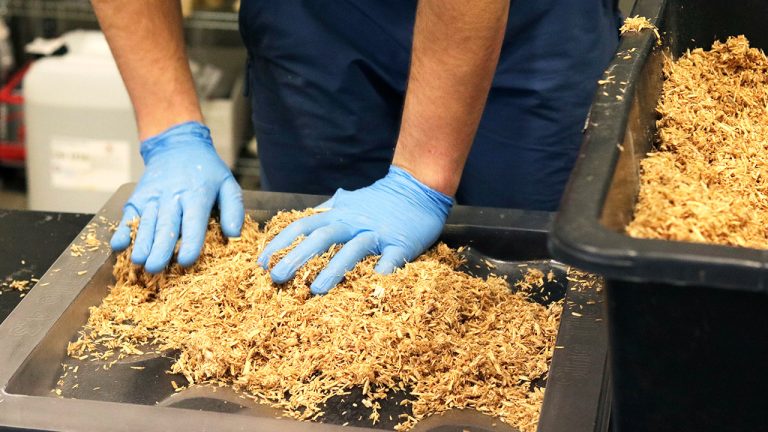
Food waste is a growing global problem, contributing to greenhouse gas emissions and lost resources. Innovative bio-based material companies in Canada are transforming this waste into sustainable building materials, offering a practical solution for both environmental and economic challenges.

Read More ...
How Mycelium Panels Enable Carbon Reduction in Construction
Sustainability

How Mycelium Panels Enable Carbon Reduction in Construction

Mycelium panels, as bio-based construction materials, are transforming approaches to carbon reduction in buildings. With construction responsible for a large portion of global carbon emissions, architects and developers are seeking materials that minimize carbon footprint while maintaining durability, thermal efficiency, and acoustic performance.
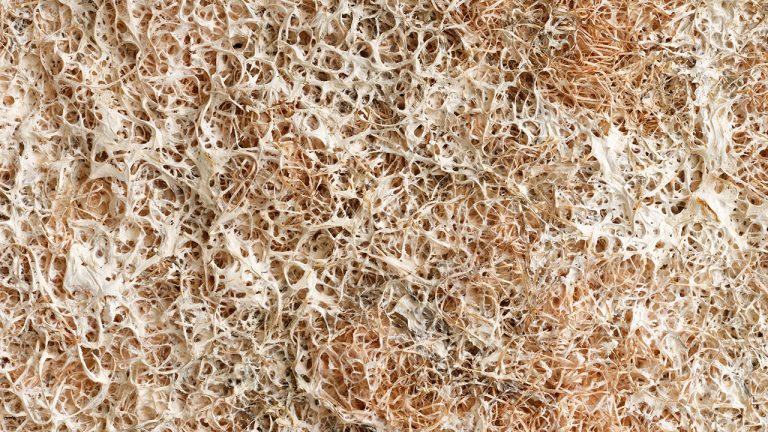
Unlike MDF or OSB, mycelium panels are grown on upcycled food or agricultural waste, sequestering carbon during production and remaining biodegradable at end-of-life. This article explores how mycelium panels contribute to carbon emissions reduction, their lifecycle impact, and practical strategies for incorporating them in residential, commercial, and public projects.

Read More ...
Sustainability

The Role of Mycelium in Sustainable Construction Practices

Mycelium plays a crucial role in sustainable construction by offering eco-friendly, biodegradable, and carbon-negative alternatives to traditional building materials, contributing to waste reduction, carbon sequestration, and energy-efficient design.

Read More ...
Sustainability

Understanding Mycelium and Its Unique Properties

Mycelium is a versatile, biodegradable, and sustainable material with unique properties like strength, fire resistance, and carbon absorption, making it an ideal solution for replacing traditional materials in various industries.

Read More ...
Sustainability

The Growth and Potential of Mycelium in the Global Market

The global market for mycelium is growing rapidly due to its sustainable and eco-friendly properties, with applications in construction, packaging, fashion, and more. Mycelium offers a renewable, biodegradable alternative to traditional materials and is positioned to play a significant role in the future of sustainable industries.

Read More ...
Sustainability

The Future of Sustainable Building Materials

The future of sustainable building materials is focused on reducing environmental impact, with mycelium leading the way by offering a renewable, biodegradable, and carbon-absorbing alternative to traditional construction materials.

Read More ...
Sustainability

The Environmental Benefits of Mycelium Boards

Mycelium boards offer significant environmental benefits, including biodegradability, carbon footprint reduction, non-toxicity, and waste minimization. These boards are a renewable and sustainable alternative to traditional building materials, making them an essential component of the future of eco-friendly construction

Read More ...