HyphalBoard Blog

Bio Material

Sustainable Boards for Hospitals and Schools: Enhancing Hygiene, Safety, and Environmental Performance
Sustainability

Sustainable Boards for Hospitals and Schools: Enhancing Hygiene, Safety, and Environmental Performance

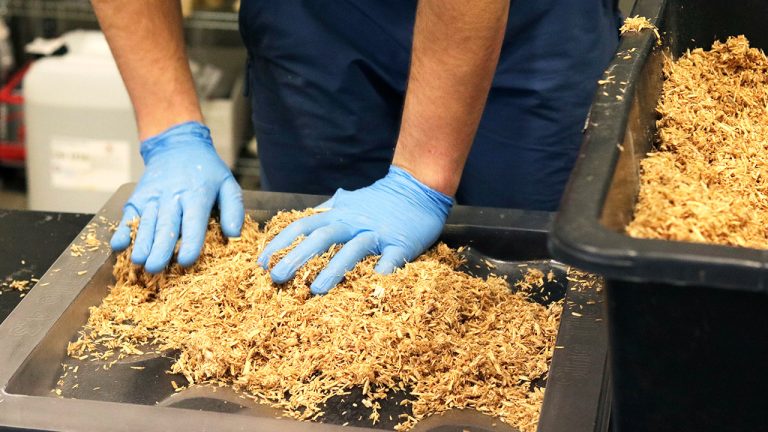
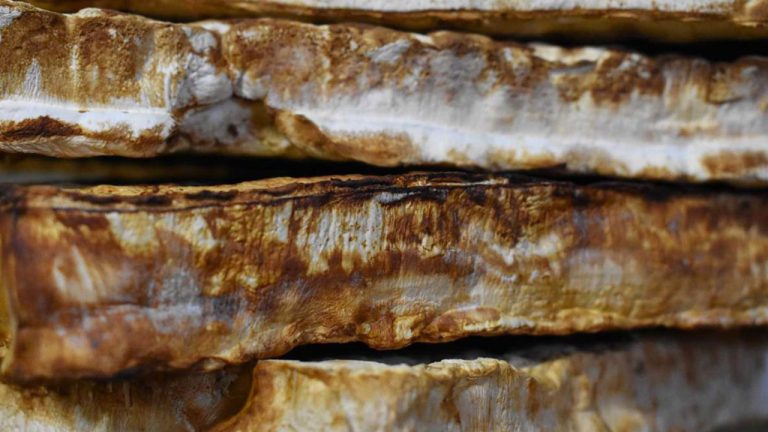
Sustainable boards are rapidly transforming construction practices in hospitals and schools across Canada. Traditional building materials often carry high environmental costs, emit volatile organic compounds (VOCs), or require frequent maintenance, all of which can impact both health and operational efficiency. Bio-based and eco-friendly boards offer a practical solution, combining durability, low environmental impact, and compliance with hygiene and safety regulations. These materials are increasingly being adopted in healthcare and educational settings to reduce carbon footprint, improve indoor air quality, and support sustainable building certification programs like LEED and WELL.
In this article, we will explore the benefits, applications, and future potential of sustainable boards in hospitals and schools, while providing actionable recommendations for architects, builders, and policymakers.
Read More ...
Turning Food Waste into Sustainable Building Materials
Sustainability

Turning Food Waste into Sustainable Building Materials

Food waste is a growing global problem, contributing to greenhouse gas emissions and lost resources. Innovative bio-based material companies in Canada are transforming this waste into sustainable building materials, offering a practical solution for both environmental and economic challenges.

Read More ...
Emerging Bio-Based Material Companies in Canada: Market Analysis and Future Trends
Applications

Emerging Bio-Based Material Companies in Canada: Market Analysis and Future Trends

Canada’s construction sector is experiencing a sustainability revolution. Traditional materials like MDF, OSB, and conventional concrete are increasingly being replaced or supplemented by bio-based panels and mycelium boards, reflecting the industry’s shift toward low-carbon solutions. Environmental policies, LEED/WELL certifications, and growing public awareness of carbon footprints drive the adoption of these materials.
In addition to reducing greenhouse gas emissions, bio-based material companies are responding to market demands for lightweight, durable, and aesthetically versatile panels. This article explores the Canadian landscape, including major players, market dynamics, innovations, and forecasts for the next five years.

Read More ...
Challenges and Regulatory Barriers in Using Bio-Based Materials in Canadian Construction
Technology

Challenges and Regulatory Barriers in Using Bio-Based Materials in Canadian Construction

Bio-based materials, including mycelium boards, are increasingly recognized for their sustainability benefits in construction. They reduce carbon footprints, enhance energy efficiency, and promote circular economy principles. However, widespread adoption in Canada is constrained by regulatory and compliance challenges. Architects, developers, and policymakers must navigate building codes, safety standards, and approval processes to integrate these materials effectively.

Read More ...
How Mycelium Boards Facilitate LEED and Eco-Friendly Projects in Canada
Technology

How Mycelium Boards Facilitate LEED and Eco-Friendly Projects in Canada

Mycelium boards, as sustainable construction materials, are transforming LEED-certified and environmentally responsible building practices in Canada. Architects, builders, and developers increasingly seek materials that meet stringent green building certifications while maintaining durability, thermal efficiency, and acoustic performance.
With the growing focus on reducing environmental impact, achieving LEED credits, and optimizing lifecycle assessment, selecting the right materials has never been more important. Mycelium boards, produced from upcycled food waste, are biodegradable, strong, and lightweight, making them ideal for modern construction projects seeking both performance and sustainability.
This article explores how mycelium boards support LEED projects, facilitate eco-friendly construction, and align with Canadian sustainability regulations, providing real-world applications, case studies, and guidance for architects, developers, and communities.

Read More ...
Comprehensive Comparison: Mycelium Boards vs GWP, MDF, and OSB
Technology

Comprehensive Comparison: Mycelium Boards vs GWP, MDF, and OSB

Mycelium boards, as innovative sustainable construction materials, are revolutionizing the way architects, builders, and developers approach environmentally responsible building. With growing attention to reducing Global Warming Potential (GWP) and optimizing lifecycle assessment, selecting the right panel material is now more crucial than ever.
Derived from the root structure of fungi and cultivated on upcycled food waste, mycelium boards are biodegradable, strong, and lightweight. Unlike traditional materials such as MDF (Medium-Density Fiberboard) and OSB (Oriented Strand Board), they offer a path toward eco-friendly construction while maintaining high performance and durability.
This article provides a comprehensive comparison of mycelium boards, MDF, and OSB, highlighting environmental benchmarks, lifecycle impacts, and real-world applications in modern construction.

Read More ...
Technology

What Makes Mycelium Boards Strong and Lightweight?

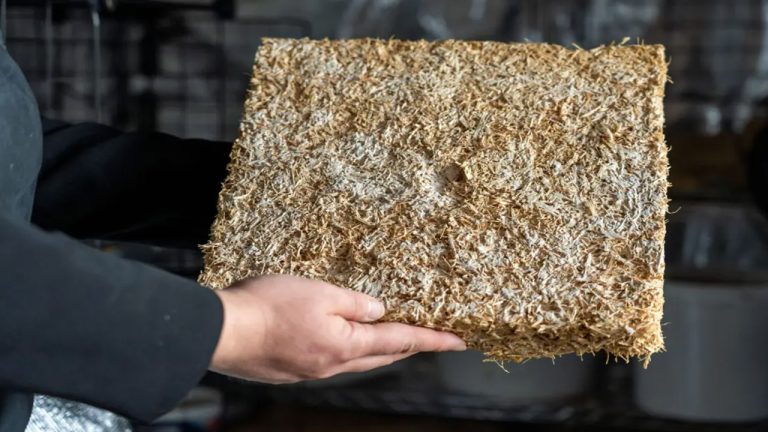
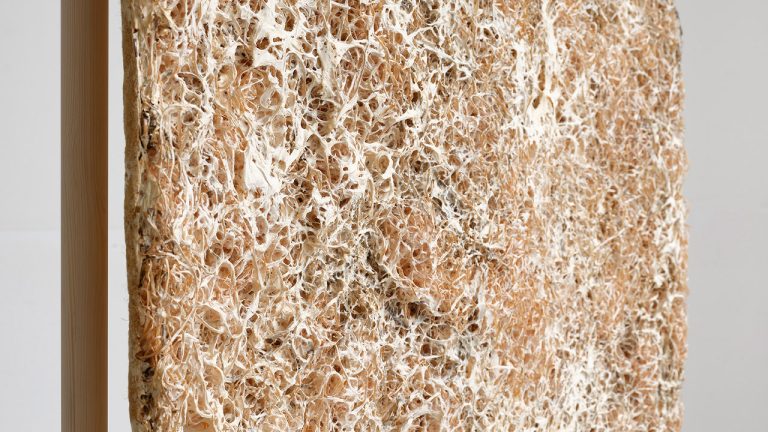
Mycelium boards are strong yet lightweight due to the natural growth process of mycelium, which creates a dense, resilient structure. The material’s strength, combined with its low density, makes it an ideal sustainable alternative to traditional building materials.

Read More ...
Sustainability

The Role of Mycelium in Sustainable Construction Practices

Mycelium plays a crucial role in sustainable construction by offering eco-friendly, biodegradable, and carbon-negative alternatives to traditional building materials, contributing to waste reduction, carbon sequestration, and energy-efficient design.

Read More ...
Technology

A Step-By-Step Guide to Producing Mycelium Boards

Producing mycelium boards involves growing mycelium on organic substrates, molding it into shapes, drying and curing it for strength, and finishing it for use in construction, design, and packaging applications, providing a sustainable and eco-friendly alternative to traditional materials.

Read More ...
Applications

How Mycelium is Replacing Plastics in Modern Construction

Mycelium is an eco-friendly alternative to plastics in construction, offering benefits such as biodegradability, durability, excellent insulation properties, and a reduced carbon footprint, making it a sustainable solution for the future of building materials.

Read More ...
Applications

Benefits of Mycelium in Kitchen Cabinet Manufacturing

Mycelium offers a sustainable, durable, and customizable material for kitchen cabinet manufacturing, providing benefits such as environmental sustainability, strength, and a non-toxic, aesthetically pleasing option for interior design.

Read More ...